



Dynamic pricing is a pricing strategy that adjusts prices in real-time based on market conditions and demand. Revenue Management Systems (RMS) use dynamic pricing to optimize hotel room prices by analyzing data such as pick-up, demand pressure, and competitor rates. The goal is to maximize revenue by adjusting prices based on changes in demand and market conditions.
The Revenue Management System that
explains every decision
Stop second-guessing your pricing. Lybra Assistant combines data driven forecasting with flight search data to predict demand before your competitors even see it (and explains every recommendation so you stay in control).

Our clients






The Revenue Management System that explains why, not just what to do.
Lybra Assistant isn’t just another Revenue Management System: it's the why behind every decision.
At the heart of every price recommendation are real-time demand signals, competitor behavior, and predictive intelligence.
So you don’t just follow the data, you understand it!



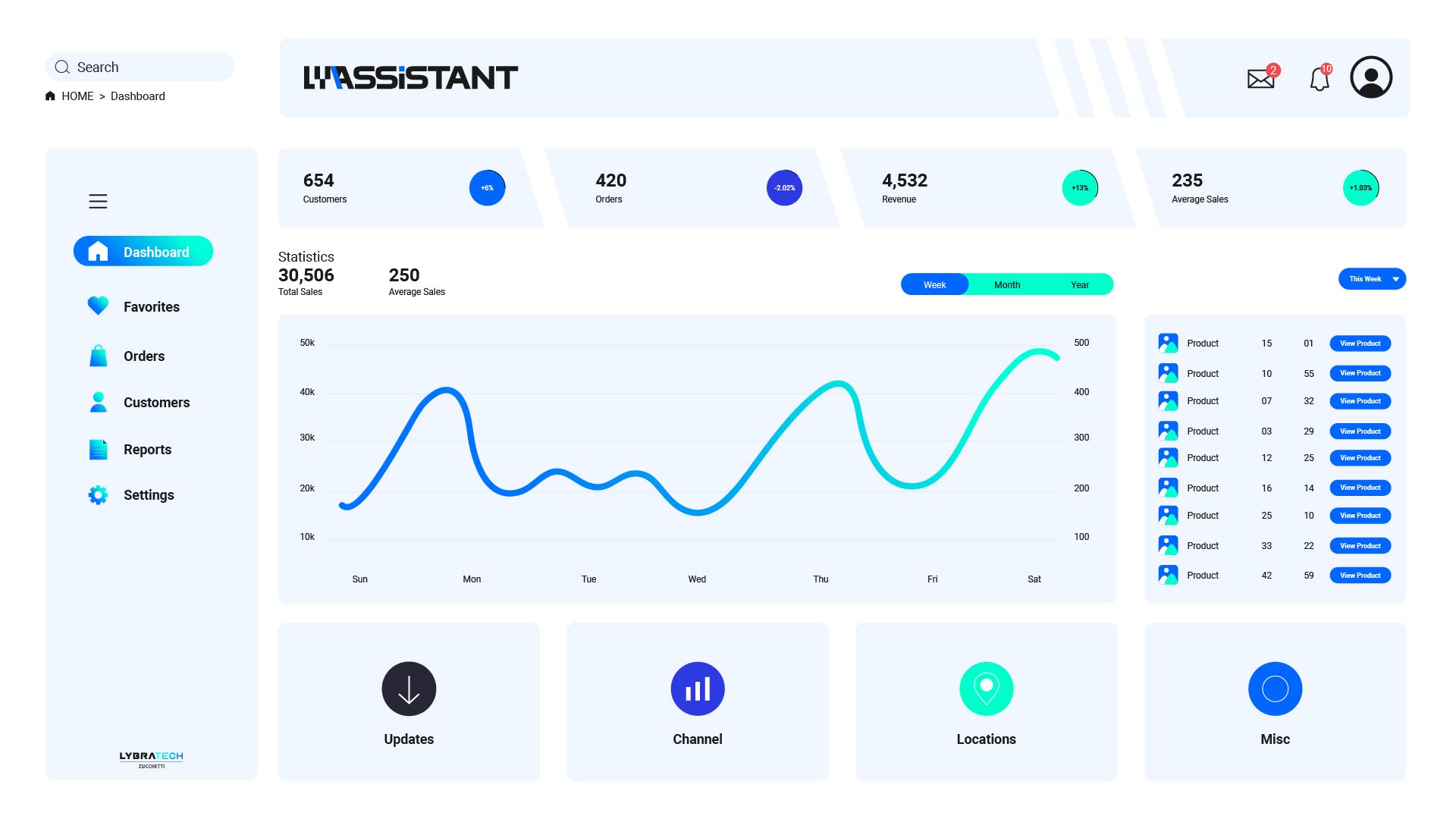
Key features
- Dynamic Pricing and Customisable Autopilot
- Group Displacement
- Rate Shopper
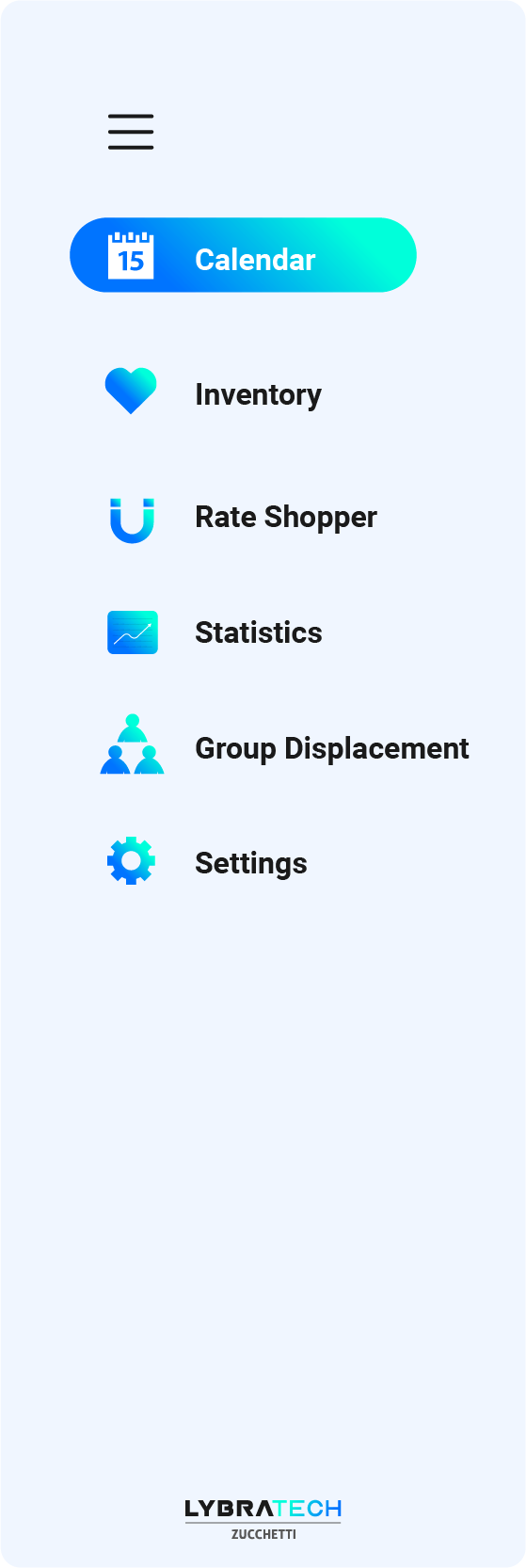
- Calendar
- Flight Searches
- Statistics & Marketing Overview
- Gap Analysis
- Native AI
Dynamic Pricing and Customisable Autopilot
Every day, the RMS suggests the best rate for each room, for up to 365 days ahead, and the Autopilot updates it automatically on your behalf.
Thanks to the Autopilot, the process of updating rates on sales channels can be automated. By customizing the Autopilot, you can decide how and when to send the rates suggested by Lybra Assistant RMS algorithm.
Group Displacement
A function that helps revenue managers decide whether it is profitable to take on a group and at what rate, without penalizing individual bookings.
Group displacement is a revenue management function that helps hotels decide whether to accept group bookings without negatively affecting individual bookings. By analyzing potential revenue from group bookings and comparing it to individual bookings, revenue managers can determine the optimal rate to offer groups.
This ensures profitable group bookings while maintaining a fair balance between groups and individuals. Group displacement is an essential function for revenue management systems in the hospitality industry.
Rate Shopper
With this module, you can keep track of competitor rates by room type, availability, and rate type.
The rate shopper module is a key component of revenue management systems in the hospitality industry. It allows hotels to monitor and analyze competitor rates for different room types and adjust their rates accordingly to stay competitive and maximize revenue. The module gathers data from various sources, provides insights into market demand, and enables revenue managers to make informed pricing decisions in real-time. Overall, the rate shopper module is an essential tool for revenue management in the hospitality industry.
Calendar
The calendar is a tool designed to update rates for the next 365 days and monitor hotel pick-up trends.
The Calendar is a crucial tool for revenue management in the hospitality industry. It enables revenue managers to update room rates for the next 365 days, monitor hotel pick-up trends, and make informed decisions about pricing and inventory management. The calendar provides an overview of room inventory, occupancy, and revenue for each day, allowing revenue managers to optimize pricing strategy, maximize revenue, and stay competitive.
Flight Searches
A unique module that provides data on demand pressure by analyzing millions of searches made on flight metasearch engines.
The flight searches module is a powerful tool for revenue management that provides insights into demand pressure by analyzing millions of flight searches made on metasearch engines. It helps revenue managers stay ahead of the competition, identify trends, and adjust pricing strategy accordingly. Overall, it is a unique and valuable tool for revenue management in the hospitality industry.
Statistics & Marketing Overview
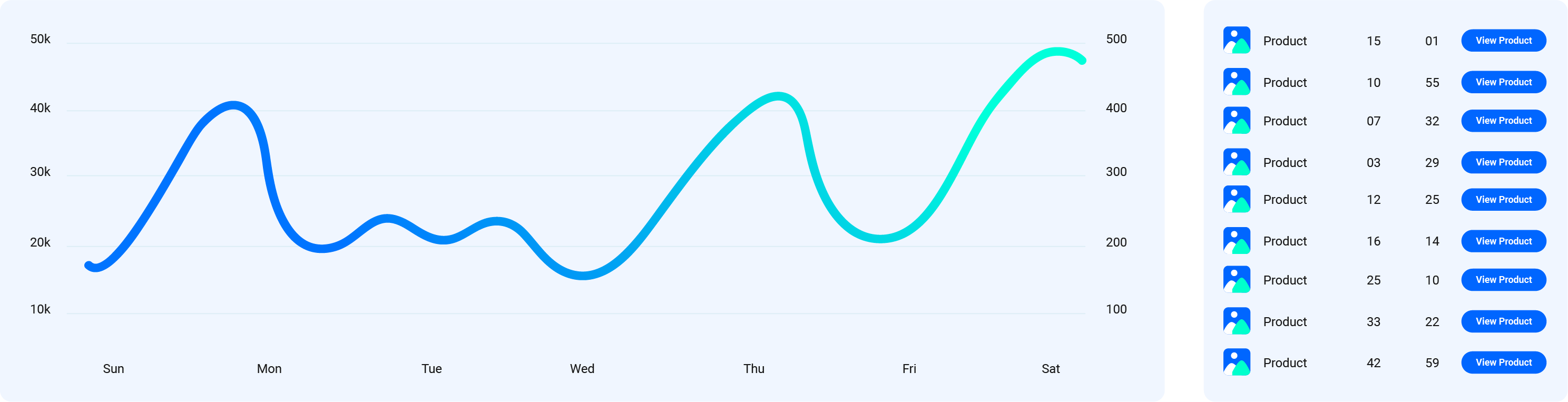
A set of statistics designed for in-depth analysis to understand hotel trends and plan effective strategies to improve performance.
The statistics and marketing overview is a valuable tool for revenue management that provides in-depth analysis of hotel trends and performance. It includes a range of metrics, such as occupancy rates, ADR, RevPAR, and market share, as well as marketing data analysis tools to track campaigns and identify new opportunities. Overall, it is an essential tool for revenue managers to stay competitive, optimize pricing strategy, and improve revenue and profitability.
Gap Analysis
Find out where you’re losing revenue and turn data into strategic action.
Revenue gap analysis, integrated into Lybra’s RMS, highlights where performance is falling short of expected targets. Compare key indicators such as occupancy, ADR, RevPAR and OTB – monitoring sales performance compared to previous years – to forecast results, optimize strategy and intercept every growth opportunity.
Native AI
Proprietary AI built specifically for hospitality, natively integrated into Lybra Assistant
We’ve developed a proprietary AI built specifically for hospitality. It’s called Zenit, and it’s the engine behind Lybra Assistant. An artificial intelligence designed to speak clearly to the Revenue Manager, explain every decision, test price movements, and always suggest the best rate.
Success Stories

Grand Hotel Central in Barcelona – Success Story
Grand Hotel Central in Barcelona – Success Story

Olea All Suite Hotel – Success Story
Olea All Suite Hotel – Success Story

Chatrium Hotels & Residences – Success Story
Chatrium Hotels & Residences – Success Story

The Marmara Pera – Success Story
The Marmara Pera – Success Story

The Glam Hotel – Success Story
The Glam Hotel – Success Story

Hotel Scheck – Success Story
Hotel Scheck – Success Story

Hotel Bären am Bundesplatz – Success Story
Hotel Bären am Bundesplatz – Success Story

Valbella Resort – Success Story
Valbella Resort – Success Story
Success Stories




Success Stories




Key features
Dynamic Pricing and Customisable Autopilot
Every day, the RMS suggests the best rate for each room, for up to 365 days ahead, and the Autopilot updates it automatically on your behalf.
Dynamic pricing is a pricing strategy that adjusts prices in real-time based on market conditions and demand. Revenue Management Systems (RMS) use dynamic pricing to optimize hotel room prices by analyzing data such as pick-up, demand pressure, and competitor rates. The goal is to maximize revenue by adjusting prices based on changes in demand and market conditions.
Thanks to the Autopilot, the process of updating rates on sales channels can be automated. By customizing the Autopilot, you can decide how and when to send the rates suggested by Lybra Assistant RMS algorithm.
Automate your pricing. Stay in control.
Book your free demo >
Group Displacement
A function that helps revenue managers decide whether it is profitable to take on a group and at what rate, without penalizing individual bookings.
Group displacement is a revenue management function that helps hotels decide whether to accept group bookings without negatively affecting individual bookings. By analyzing potential revenue from group bookings and comparing it to individual bookings, revenue managers can determine the optimal rate to offer groups.
This ensures profitable group bookings while maintaining a fair balance between groups and individuals. Group displacement is an essential function for revenue management systems in the hospitality industry.
Know when a group booking is truly profitable.
Book your free demo >
Rate Shopper
With this module, you can keep track of competitor rates by room type, availability, and rate type.
The rate shopper module is a key component of revenue management systems in the hospitality industry. It allows hotels to monitor and analyze competitor rates for different room types and adjust their rates accordingly to stay competitive and maximize revenue.
The module gathers data from various sources, provides insights into market demand, and enables revenue managers to make informed pricing decisions in real-time. Overall, the rate shopper module is an essential tool for revenue management in the hospitality industry.
Monitor competitors and price with confidence.
Book your free demo >
Calendar
The calendar is a tool designed to update rates for the next 365 days and monitor hotel pick-up trends.
The Calendar is a crucial tool for revenue management in the hospitality industry. It enables revenue managers to update room rates for the next 365 days, monitor hotel pick-up trends, and make informed decisions about pricing and inventory management. The calendar provides an overview of room inventory, occupancy, and revenue for each day, allowing revenue managers to optimize pricing strategy, maximize revenue, and stay competitive.
Manage rates and pick-up trends in one place.
Book your free demo >
Flight Searches
A unique module that provides data on demand pressure by analyzing millions of searches made on flight metasearch engines.
The flight searches module is a powerful tool for revenue management that provides insights into demand pressure by analyzing millions of flight searches made on metasearch engines. It helps revenue managers stay ahead of the competition, identify trends, and adjust pricing strategy accordingly. Overall, it is a unique and valuable tool for revenue management in the hospitality industry.
See demand trends before your competitors do.
Book your free demo >
Statistics & Marketing Overview
A set of statistics designed for in-depth analysis to understand hotel trends and plan effective strategies to improve performance.
The statistics and marketing overview is a valuable tool for revenue management that provides in-depth analysis of hotel trends and performance. It includes a range of metrics, such as occupancy rates, ADR, RevPAR, and market share, as well as marketing data analysis tools to track campaigns and identify new opportunities. Overall, it is an essential tool for revenue managers to stay competitive, optimize pricing strategy, and improve revenue and profitability.
Turn hotel data into smarter performance strategies.
Book your free demo >
Gap Analysis
Find out where you’re losing revenue and turn data into strategic action.
Revenue gap analysis, integrated into Lybra’s RMS, highlights where performance is falling short of expected targets. Compare key indicators such as occupancy, ADR, RevPAR and OTB – monitoring sales performance compared to previous years – to forecast results, optimize strategy and intercept every growth opportunity.
Find your revenue gaps before they become missed opportunities.
Book your free demo >
Native AI
Proprietary AI built specifically for hospitality, natively integrated into Lybra Assistant.
We’ve developed a proprietary AI built specifically for hospitality. It’s called Zenit, and it’s the engine behind Lybra Assistant. An artificial intelligence designed to speak clearly to the Revenue Manager, explain every decision, test price movements, and always suggest the best rate.
Make smarter pricing decisions with AI built for hotels.
Book your free demo >
Lybra products are integrated with the most important PMSs and Channel Managers to automate data collection and push prices in real-time.
Book a Demo Now!

Why a Revenue Management System is a Must-Have
A Revenue Management System (RMS) is no longer optional—it’s essential for managing hotel revenue effectively. With an RMS like Lybra Assistant, you can leverage market demand to make smarter, data-driven decisions that increase revenue.
By analyzing market trends, identifying pricing opportunities, and dynamically adjusting room rates, an RMS enables hotel managers to stay ahead of the competition and maximize profitability effortlessly.
An RMS (Revenue Management System) leverages advanced algorithms to analyze diverse data sources, such as historical booking trends, current market dynamics, competitor pricing, and other key factors. This data-driven approach generates real-time recommendations for optimal room rates and inventory allocation, enabling hotel managers to respond swiftly and effectively to market changes.
With an RMS, hotels can align room prices with market demand, boosting revenue and profitability while minimizing the risks of overbooking or underbooking, which can lead to revenue loss or dissatisfied guests.
Beyond pricing and inventory, an RMS provides valuable insights into core revenue management activities like forecasting, budgeting, and reporting. By using real-time data and analytics, hotel managers can make informed decisions that maximize revenue, streamline operations, and enhance overall efficiency.

Why it is essential to work with a Revenue Management System
A Revenue Management System has become an indispensable software for managing revenue management activities within the hotel. By using an RMS, you can always take advantage of market demand and increase revenue by making data-driven decisions.
A Revenue Management System (RMS) is a software application used by hotels to optimize revenue by analyzing market demand and making data-driven decisions. It helps hotel managers to understand market trends, identify pricing opportunities, and adjust room rates accordingly to maximize revenue.
An RMS uses advanced algorithms to analyze a wide range of data, including historical booking patterns, current market conditions, competitor pricing, and other relevant factors. This data is used to generate optimal room rates and inventory allocation recommendations in real-time, enabling hotel managers to respond quickly and effectively to changes in the market.
By using an RMS, hotels can optimize room prices to reflect current market demand, which can help to increase revenue and profitability. It can also help to reduce the risk of overbooking or underbooking, which can result in lost revenue or unhappy customers.
In addition to optimizing pricing and inventory allocation, an RMS can also provide valuable insights into other revenue management activities, such as forecasting, budgeting, and reporting. With real-time data and analytics, hotel managers can make informed decisions that maximize revenue and improve operational efficiency.
Learn more
Related News & Events

Without a strategy, you are not managing Revenue. You are chasing the market.
Without a strategy, you are not managing Revenue. You are chasing the market.

Distribution: Being Everywhere Doesn’t Mean Selling Well
Distribution: Being Everywhere Doesn’t Mean Selling Well

Hotel positioning: all the steps to follow to be truly recognizable